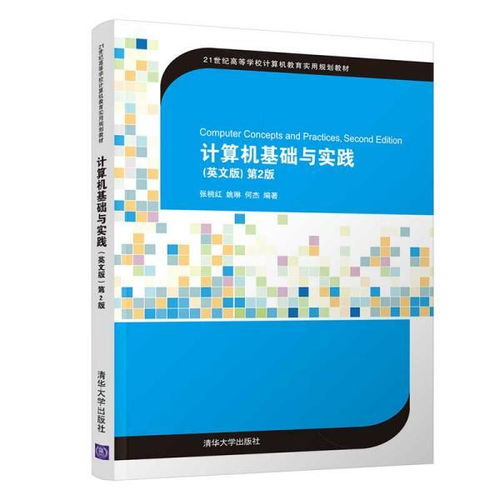
The second edition of Foundations and Practice of Computer Science provides a comprehensive and updated exploration of the core principles governing the development and application of computer hardware and software. This textbook serves as an essential guide for students and professionals seeking to understand the symbiotic relationship between the physical components of a computer system and the logical instructions that drive them.
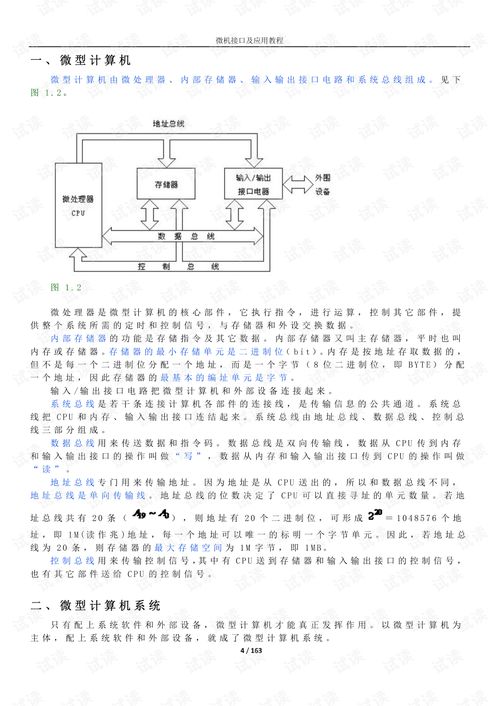
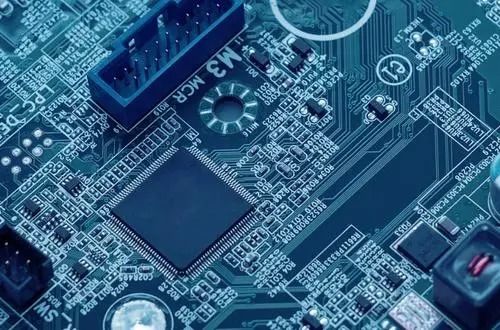
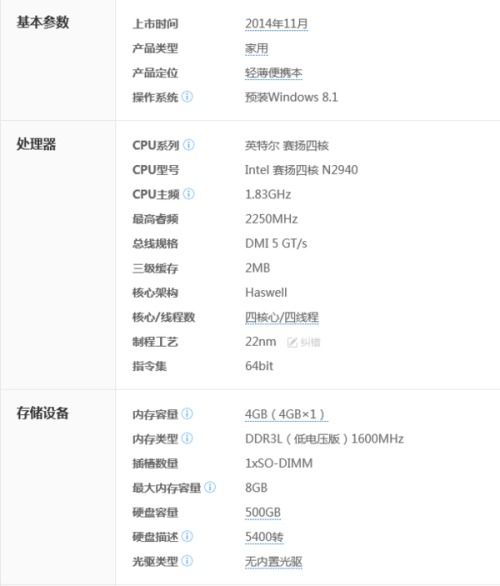
The first major section delves into the realm of Computer Hardware Development. It begins with the fundamental architecture, detailing the roles of the Central Processing Unit (CPU), memory hierarchy (from registers to secondary storage), and input/output systems. The text progresses to cover the design principles of digital logic circuits, microprocessor design, and the evolution of hardware platforms from personal computers to large-scale servers and embedded systems. Key topics include performance metrics, parallel processing architectures, and the emerging trends in hardware, such as quantum computing and specialized accelerators for artificial intelligence.
Following this, the focus shifts to Computer Software Development. This section outlines the software development lifecycle, from requirements analysis and system design to implementation, testing, and maintenance. It introduces various programming paradigms—procedural, object-oriented, and functional—and discusses essential algorithms and data structures. The book emphasizes modern software engineering practices, including version control, agile methodologies, and the importance of secure coding. It also explores different types of software, from system software like operating systems and compilers to application software for diverse domains.
The core of the text examines the Integration and Application of hardware and software. Here, readers learn how software is tailored to harness the capabilities of specific hardware, optimizing for performance, efficiency, and reliability. The book presents case studies across multiple application domains:
- Scientific Computing and Simulation: Using high-performance computing clusters to model complex physical phenomena.
- Business and Data Management: The role of database management systems and enterprise software in running organizations.
- Multimedia and Graphics: The hardware-software interplay in rendering graphics, processing audio, and streaming video.
- Networking and the Internet: How protocols and software enable global communication on physical network infrastructure.
- Embedded and Real-Time Systems: Software developed for dedicated functions in automobiles, medical devices, and industrial controllers.
- Artificial Intelligence and Machine Learning: The development of algorithms and the hardware (like GPUs and TPUs) designed to accelerate them.
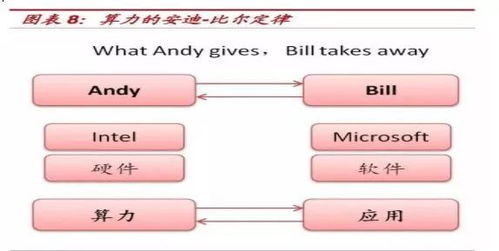
Finally, the second edition includes new chapters or significant updates on contemporary issues: cybersecurity in both hardware design (e.g., secure enclaves) and software development, the principles of cloud computing and virtualization, and the ethical considerations in software deployment. It concludes by discussing future directions, encouraging readers to view computer systems as integrated wholes where innovative hardware opens new possibilities for software, and groundbreaking software demands advances in hardware. Through a balanced mix of theory, practical examples, and hands-on exercises, this textbook equips readers with the foundational knowledge to contribute to the ongoing evolution of computing technology.